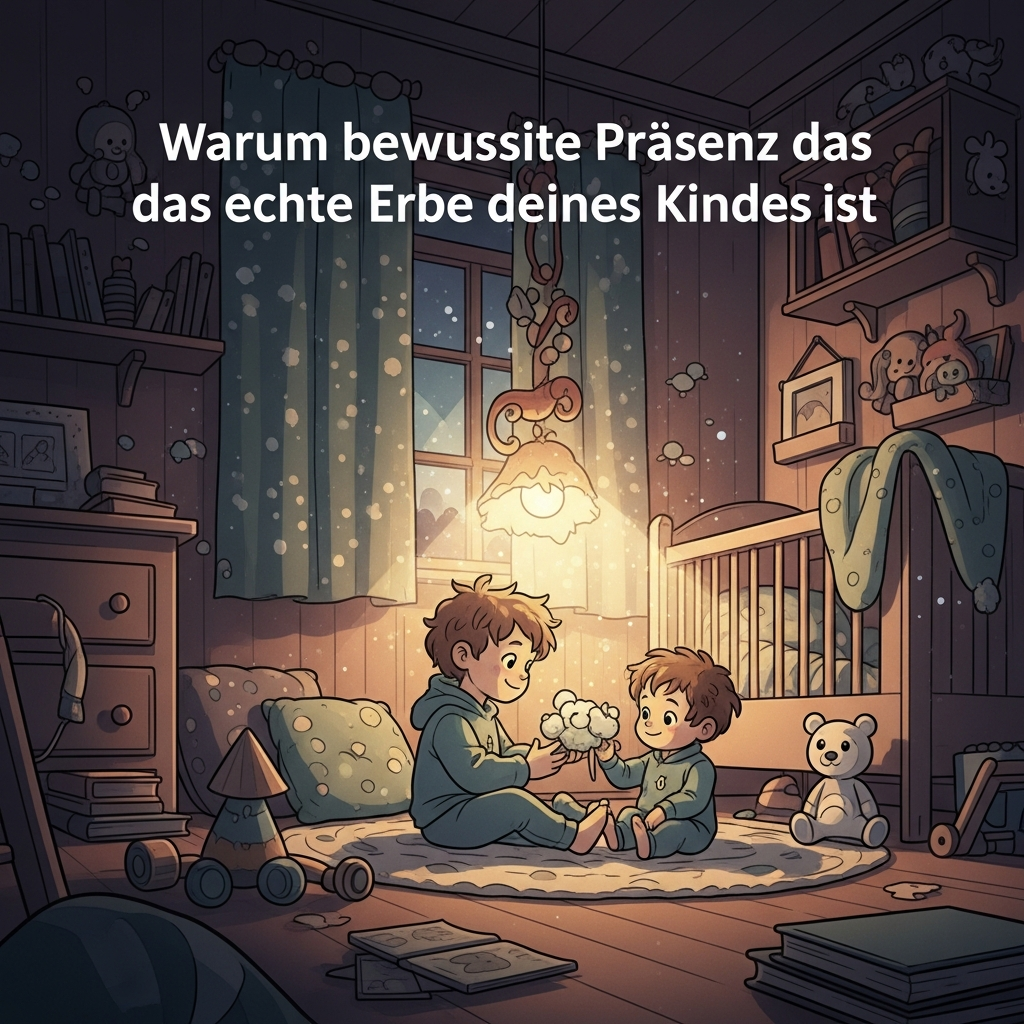
How choosing to be fully present transforms cultural connection and emotional well-being in bilingual families
Discover why scattered quality time fails to preserve cultural heritage, and how intentional presence becomes the bridge that carries language, stories, and identity across generations.
TL;DR
Intentional presence matters more than perfect fluency - Your full attention during storytelling carries culture more effectively than vocabulary drills
The support gap is real - 93% of parents think they're providing adequate support, but only 58.5% of children agree. Presence requires intentionality
Stories build identity - Children who hear themselves as heroes in their heritage language develop emotional well-being rooted in belonging
Bedtime is sacred ground - Those fifteen minutes aren't a task. They're an inheritance being transferred, one story at a time
The Story You're Not Telling
Your child knows three words in your mother tongue. Maybe five. You meant to teach them more. You bought the books, bookmarked the videos, promised yourself you'd speak only Farsi at dinner.
But life in Germany moves fast. Kita pickup, grocery runs, bedtime battles. Your heritage language slips into the cracks between obligations.
Here's what keeps you up at night: it's not the vocabulary. It's the feeling that something irreplaceable is slipping away, one untold story at a time.
The Myth of Quality Time
We've been sold a beautiful lie about parenting across cultures. The idea that occasional "quality time" compensates for scattered attention. That a weekend visit to Oma or a holiday phone call preserves connection.
This worked for previous generations. Physical proximity did the heavy lifting. Children absorbed language and culture through daily immersion, through overhearing conversations, through stories told while shelling peas.
But you live in Munich. Your mother lives in Istanbul. Your child's world is German by default, and those precious moments of cultural transmission have shrunk to fragments.
The conventional wisdom says: do what you can. Celebrate the holidays. Cook the traditional dishes. Hope something sticks.
But hope is not a strategy for preserving who you are.
Presence Is the Real Inheritance
Here's what I actually believe: intentional presence is the only force strong enough to carry culture across borders and generations.
Not effort. Not guilt. Not the perfect curriculum. Presence. The decision to be fully here, in this moment, with this child, speaking the words that shaped you.
The gift of presence isn't about time. It's about attention that says: you belong to something larger than this apartment, this city, this moment.
What the Research Reveals
The data tells a story that should stop every bilingual parent mid-scroll.
Nearly 4 out of 5 children under age 5 show all four indicators of flourishing, including being affectionate with caregivers. Young children are wired for connection. They're ready to receive what you're trying to give.
But here's where it gets complicated. Only 58.5% of teens report receiving the social and emotional support they need. The window doesn't stay open forever.
Even more striking: 93.1% of parents believe their teen receives adequate support. Teens themselves? Just 58.5% agree. That's a 35-point gap between what we think we're giving and what our children actually receive.
This isn't about bad parenting. It's about the difference between being present and being intentionally present. Between existing in the same room and creating moments that matter.
The Loneliness Epidemic Hiding in Plain Sight
The Child Mind Institute's 2025 report found that 8 in 10 parents and youth place loneliness among their top three concerns for youth mental health.
Think about that. Both generations see the problem. Both feel the disconnection. Yet the gap persists.
For bilingual families, this loneliness carries an extra weight. Your child isn't just navigating adolescence. They're navigating identity. They're asking, sometimes silently: Where do I belong? Which language holds my real self?
When you choose intentional presence, you answer that question before they have to ask it.
Stories as the Vehicle
I've watched something shift in families who make storytelling a ritual. Not reading from a screen while mentally composing tomorrow's to-do list. Actually telling stories. In their language. With their child's name woven into the narrative.
A child who hears herself as the hero of a story in Turkish doesn't just learn Turkish. She learns that Turkish is a language where heroes live. Where she lives.
This is what emotional well-being looks like in practice: belonging that doesn't require translation.
What Changes If This Is True
If intentional presence matters more than perfect fluency, then the pressure shifts. You don't need to teach grammar. You need to show up.
If stories carry culture more effectively than vocabulary drills, then bedtime becomes sacred ground. Those fifteen minutes aren't a task to complete. They're an inheritance being transferred.
If children's emotional well-being depends on feeling seen in their full identity, then multilingual storytelling isn't a nice-to-have. It's essential infrastructure for who they're becoming.
The cost of ignoring this? Watch your child grow fluent in a world that doesn't include your grandmother's lullabies. Watch them search for belonging in places that can't offer it.
A Different Way to See Bedtime
Stop thinking of heritage language as something to preserve, like a museum artifact behind glass.
Start thinking of it as something to live in. A room you enter together, nightly, where the walls are made of stories and your child's name echoes back in syllables that connect them to everyone who came before.
The gift of presence isn't about doing more. It's about being more. More here. More intentional. More willing to let a story in your mother tongue be the last thing your child hears before sleep.
That's not nostalgia. That's architecture. You're building the interior rooms of their identity, one story at a time.
The Choice You Make Tonight
Your child will grow up German. That's not a tragedy. It's their life.
But they can also grow up knowing where the stories come from. Knowing the sound of their own name in the language of their ancestors. Knowing that presence, not presents, is what you chose to give them.
The question isn't whether you have time. The question is what you do with the time you have.
Tonight, when the day finally quiets, you get to decide: will this moment pass, or will it become part of who they are?
Frequently Asked Questions
What is the concept of 'The Gift of Presence' in storytelling?
The gift of presence means giving your full, undivided attention during story time. It transforms a simple bedtime routine into a moment of cultural connection and emotional bonding that children carry with them.
How can practicing mindfulness improve our ability to be present with others?
Mindfulness helps you notice when your attention drifts and gently return to the moment. For bilingual parents, this awareness makes heritage language storytelling feel natural rather than forced.
Which activities can help strengthen family bonds across generations?
Personalized storytelling in heritage languages creates powerful intergenerational connection. When children hear stories featuring their own name and cultural traditions, they develop a sense of belonging that spans borders and generations.