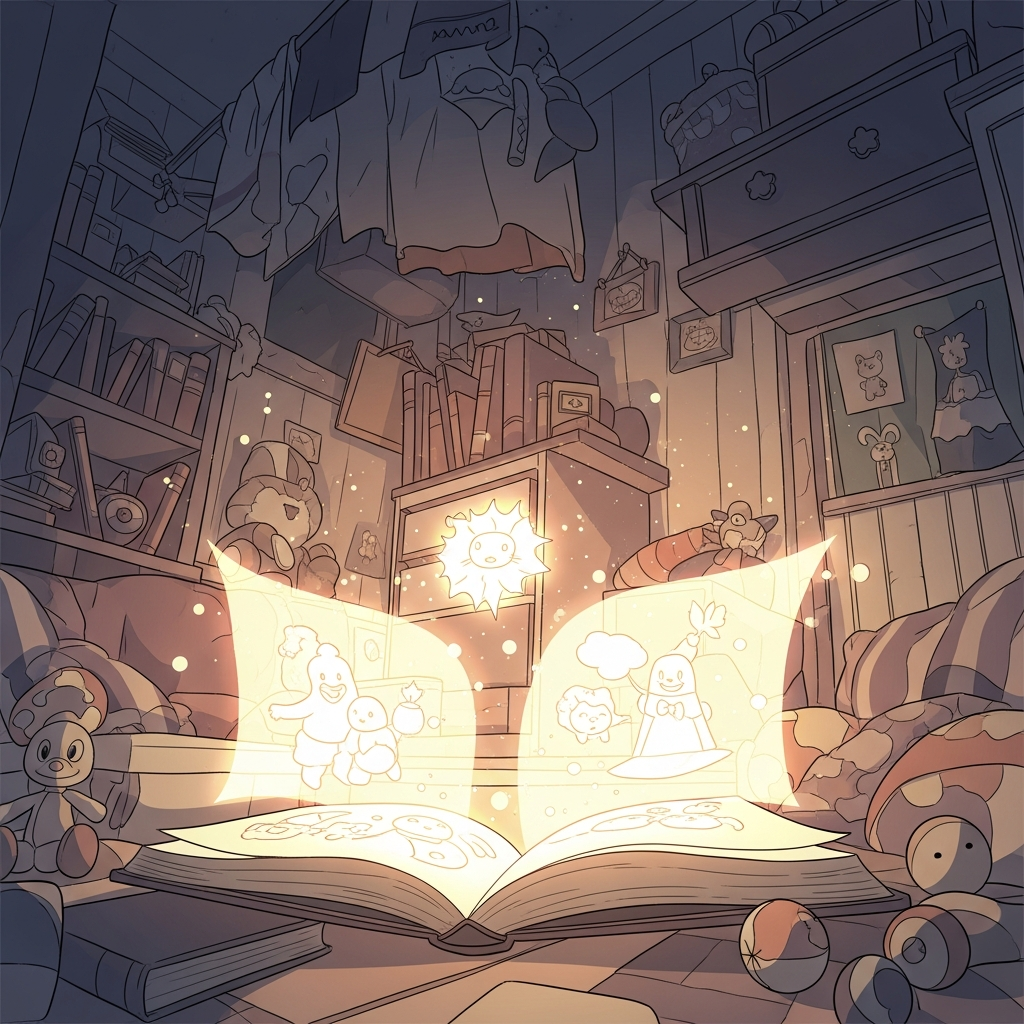
Why heritage language storytelling is the bridge between generations that exposure alone cannot build
Discover why passive language exposure fails and how intentional storytelling creates the intergenerational connection your child needs. Learn to give the gift of presence across any distance.
Zusammenfassung
Exposure alone fails - With grandparents increasingly distant and heritage content scarce, passive language exposure cannot preserve cultural connection.
Storytelling is presence - Hearing your name in your heritage language is not vocabulary practice; it is a profound gift that says "you belong."
The stakes are emotional - Intergenerational connection through stories reduces isolation and improves well-being across all ages, according to APA research.
Bedtime is a ritual of belonging - Each story in your mother tongue is a thread connecting your child to ancestors they may never meet but will always carry within them.
The Language Your Child Will Never Hear
Somewhere between your childhood and theirs, a voice is fading. The way your grandmother told stories. The rhythm of your mother tongue wrapping around a bedtime tale. The particular magic of hearing your own name in the language of your ancestors.
You feel it slipping away. And you wonder if your child will ever know what they missed.
The Myth of "Enough Exposure"
The conventional wisdom says this: speak your heritage language at home, find some books, maybe stream a show. Exposure will do the work. Your child will absorb the language like you did.
This advice made sense when grandparents lived nearby. When entire neighborhoods spoke the same tongue. When stories passed naturally from one generation to the next without effort or intention.
But you live in Berlin, or Munich, or Hamburg. Your parents are a video call away. The German-language content ecosystem is vast and polished. Your heritage language offerings? Sparse. Generic. Disconnected from your family's actual story.
Fewer than half of adults now have regular contact with grandparents, down from nearly 60 percent a decade ago. The natural pathways for intergenerational connection are narrowing.
Exposure alone cannot bridge a widening gap.
Here Is What I Actually Believe
The gift of presence is not about being physically together. It is about making someone feel seen, named, and placed within a story that matters. Multilingual storytelling is how we give that gift across distance, across generations, across the fractures of modern life.
When a Name Becomes a Bridge
I watched a three-year-old hear her name in a story for the first time. Not a Western approximation. Her actual name, pronounced correctly, in her grandmother's language.
She froze. Then smiled. Then asked to hear it again.
That moment was not about vocabulary acquisition. It was about recognition. About belonging. About a child understanding, wordlessly, that she comes from somewhere.
This is what researchers at the American Psychological Association describe when they talk about intergenerational connectedness. The benefits are not abstract. Programs that foster presence through shared stories and mentoring can reduce mortality risk as significantly as quitting a 15-cigarette-a-day habit.
Loneliness is a public health crisis. And storytelling, it turns out, is medicine.
Consider what Sesame Workshop discovered through their three-generational mentoring program. When kids, teens, and older adults share stories together, emotional well-being improves across all age groups. Confidence grows. Isolation shrinks. The ordinary act of telling a tale becomes, as researchers describe it, a profound gift of presence.
Dr. Nic Weststrate, studying the LGBTQ+ Intergenerational Dialogue Project in Chicago, puts it simply: creating spaces for multigenerational connection helps people navigate life. Stories carry wisdom. Wisdom, shared, becomes legacy.
But here is the part that matters for you, reading this in Germany, wondering how to keep your heritage alive: these benefits do not require physical proximity. They require intentional presence. They require stories that name your child, speak your language, and carry your culture forward.
86% of people believe neighborly interactions foster emotional well-being. Yet 80% report wanting more meaningful community engagement than they currently have. The desire for connection is there. The infrastructure often is not.
You can build that infrastructure. One story at a time.
What Changes If This Is True
If storytelling is genuinely a gift of presence, then the stakes of your daily choices shift.
That bedtime routine is not just sleep hygiene. It is identity formation. That story in Turkish, or Vietnamese, or Arabic is not just language practice. It is a thread connecting your child to people they may never meet but will always carry within them.
The cost of defaulting to German-only content is not just linguistic. It is emotional. It is a gradual forgetting that compounds across generations until the connection breaks entirely.
Your child may never articulate what they lost. They will simply never know what they could have had.
A New Way to See Bedtime
Think of multilingual storytelling not as a task but as a ritual of belonging.
Every time your child hears their name in your mother tongue, they receive a message: you are part of something larger. Every time a story reflects their heritage, they learn: your culture is worth celebrating. Every time you choose intentional presence over convenient content, you are saying: this matters. You matter.
The gift of presence is not about grand gestures. It is about showing up, night after night, with stories that say: I see you. I name you. I place you in the story of our people.
The Voice That Will Not Fade
Your grandmother's exact cadence may be unrepeatable. But the tradition of storytelling in your language, with your child as the hero, in a form that honors your heritage?
That can continue. That can grow. That can become the bridge your child walks across, into a future where they know exactly where they came from.
The question is not whether you have time. The question is whether you believe it matters.
I think you already know the answer.
Frequently Asked Questions
What is the concept of the gift of presence in storytelling?
The gift of presence means making someone feel truly seen and valued through your attention. In storytelling, this happens when a child hears their own name and heritage reflected back to them, creating a sense of belonging that transcends physical proximity.
How can multilingual storytelling strengthen intergenerational connection?
Stories in heritage languages carry cultural wisdom, family identity, and emotional resonance across generations. Even when grandparents live far away, a child hearing tales in their ancestral tongue maintains a living connection to their roots.
When is the best time to engage children with heritage language stories?
Bedtime rituals offer a natural opportunity for intentional presence. The quiet, focused moment before sleep creates space for stories to land deeply and become part of a child's sense of self.